
Everyday Care / Diabetes Control
What is Diabetes
Diabetes is a chronic medical condition in which the body is unable to properly regulate the levels of sugar (glucose) in the blood.
There are two main types of diabetes: type 1 and type 2. Type 1 diabetes is an autoimmune disorder in which the body's immune system attacks and destroys the cells in the pancreas that produce insulin. Type 2 diabetes is a metabolic disorder in which the body is unable to properly use insulin. In both types, the result is high levels of sugar in the blood, which can lead to a variety of complications if left untreated.
Type 1 diabetes
What is type 1 diabetes?
Type 1 diabetes is an autoimmune disorder that occurs when the body's immune system mistakenly attacks and destroys the beta cells in the pancreas responsible for producing insulin. This leads to a total lack of insulin production, essential for regulating blood glucose. People with type 1 diabetes must take daily insulin injections or use an insulin pump to replace the missing hormone. It usually develops in childhood or adolescence and is not preventable or caused by lifestyle factors.

Common symptoms
- Unusual thirst
- Frequent urination
- Weight change (gain or loss)
- Extreme fatigue or lack of energy
- Blurred vision
- Frequent or recurring infections
- Cuts and bruises that are slow to heal
- Tingling or numbness in the hands or feet
- Trouble getting or maintaining an erection
- Diabetic ketoacidosis (DKA)
Treatment
Type 1 diabetes treatment typically involves daily insulin therapy to replace the missing hormone and regulate blood sugar levels. The goal of treatment is to keep glucose levels as close to normal as possible to reduce the risk of complications. Treatment options for insulin replacement include:
- Multiple daily injections: injecting insulin multiple times a day through a syringe or insulin pen.
- Continuous subcutaneous insulin infusion (CSII), also known as insulin pump therapy: a small device that delivers a constant flow of insulin through a thin tube (catheter) under the skin.
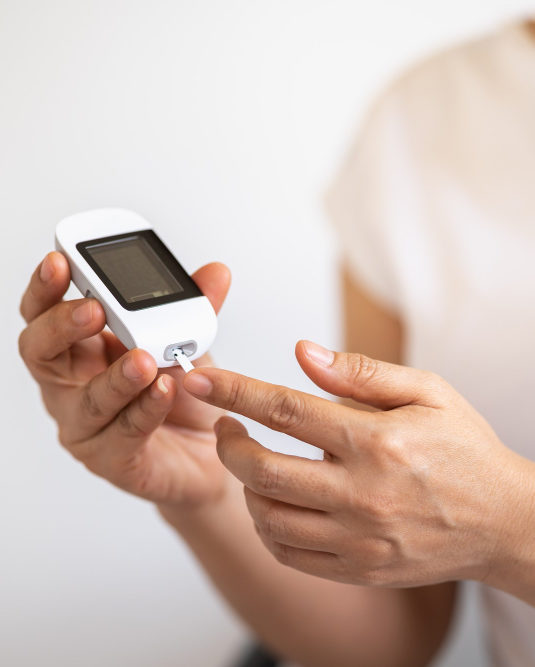
In addition to insulin therapy, type 1 diabetes treatment also involves regular monitoring of blood sugar levels, a healthy diet, and physical activity. People with type 1 diabetes may also need other medications to manage their condition, such as to lower blood pressure or cholesterol.
It's important to work with a healthcare provider to develop a comprehensive treatment plan that is tailored to meet the individual needs of the person with type 1 diabetes.
Type 2 diabetes
What is type 2 diabetes?
Type 2 diabetes is a metabolic disorder in which the body is unable to properly use insulin. Insulin is a hormone produced by the pancreas that helps regulate the levels of glucose (sugar) in the blood. In type 2 diabetes, the body becomes resistant to insulin, and over time the pancreas is unable to produce enough insulin to keep glucose levels within a normal range.
Type 2 diabetes is often associated with obesity, physical inactivity, and an unhealthy diet, but it can also occur in people who are not overweight. It is more common in people over the age of 45, but it is also increasingly being diagnosed in younger people, including children and teenagers.
Did you know?
90%
of Canadians with diabetes are living with type 2 diabetes.
*Reference: diabetes.ca
Common symptoms
The symptoms of type 2 diabetes may develop slowly over time and can be mild, making it difficult to diagnose. Some common symptoms include:
- Increased thirst and frequent urination: high levels of glucose in the blood can lead to increased fluid loss and increased thirst.
- Fatigue: the body is unable to use glucose for energy, leading to feelings of tiredness and weakness.
- Blurred vision: high glucose levels can cause fluid to be pulled from the lenses of the eyes, leading to temporary changes in vision.
- Slow-healing cuts and bruises: high glucose levels can affect the ability of the body's blood vessels and nerves to function properly.
- Numbness or tingling in the feet and hands: this can be a sign of nerve damage, also known as diabetic neuropathy.
- Dark, velvety patches on the skin: a sign of a condition called acanthosis nigricans and may indicate insulin resistance.
It's important to see a healthcare provider if you are experiencing any of these symptoms, as early diagnosis and treatment can help prevent or delay the development of complications associated with type 2 diabetes.
Treatment
Treatment for type 2 diabetes typically involves a combination of lifestyle changes and medications. The goal of treatment is to keep glucose levels within a normal range and reduce the risk of complications.
- Lifestyle changes: healthy eating, regular physical activity, and weight management. Eating a balanced diet that is low in refined carbohydrates and saturated fats, and high in fibre and vegetables, can help manage blood sugar levels. Regular physical activity, such as a daily walk, can also improve insulin sensitivity and glucose control.
- Medications: depending on the severity of the condition and the individual's needs, oral medications and/or insulin injections may be prescribed. Common oral medications for type 2 diabetes include metformin, sulfonylureas, meglitinides, DPP-4 inhibitors, SGLT2 inhibitors, and GLP-1 receptor agonists.
- Monitoring: regular monitoring of blood sugar levels is important to assess the effectiveness of treatment and make any necessary adjustments.
It's essential to work with a healthcare provider to develop an individualized treatment plan that takes into account the person's specific needs and goals. Treatment may need to be adjusted over time as the condition changes, so ongoing communication with a healthcare provider is essential.
Transfer your prescription & get same-day GTA delivery
Switching pharmacies takes a few minutes. We call your current pharmacy, move your file over, and deliver across the GTA the same day.
Prediabetes
What is prediabetes?
Prediabetes is a condition in which blood sugar levels are higher than normal, but not yet high enough to be diagnosed as type 2 diabetes. It is a warning sign that a person is at high risk of developing type 2 diabetes in the future.
People with prediabetes have insulin resistance, meaning that their bodies are not able to use insulin effectively. This can lead to a buildup of glucose in the blood, which over time can cause damage to the blood vessels, nerves, and organs.

The good news is that prediabetes can often be reversed through lifestyle changes, such as healthy eating, regular physical activity, and weight management. Making these changes can help improve insulin sensitivity and lower blood sugar levels, reducing the risk of developing type 2 diabetes.
A healthcare provider can diagnose prediabetes through a blood test and can provide guidance on how to make lifestyle changes to prevent or delay the onset of type 2 diabetes.
Symptoms
Many people with prediabetes have no symptoms, which is why it is often referred to as a "silent" condition. However, some people may experience:
- Increased thirst and frequent urination: high levels of glucose in the blood can lead to increased fluid loss and increased thirst.
- Fatigue: the body is unable to use glucose for energy, leading to feelings of tiredness and weakness.
- Blurred vision: high glucose levels can cause fluid to be pulled from the lenses of the eyes, leading to temporary changes in vision.
- Slow-healing cuts and bruises: high glucose levels can affect the ability of the body's blood vessels and nerves to function properly.
- Numbness or tingling in the feet and hands: this can be a sign of nerve damage, also known as diabetic neuropathy.
- Dark, velvety patches on the skin: a sign of a condition called acanthosis nigricans and may indicate insulin resistance.
However, these symptoms can also be due to other conditions, so it's important to see a healthcare provider for an accurate diagnosis. A blood test can determine if a person has prediabetes, and a healthcare provider can provide guidance on how to prevent or delay the onset of type 2 diabetes.
Pregnancy
What is Gestational Diabetes
Gestational diabetes is a type of diabetes that develops during pregnancy. It occurs when the hormones produced during pregnancy make it difficult for insulin to work effectively, leading to high blood glucose levels.
Gestational diabetes affects between 3–20% of all pregnancies and is more common in women who are overweight or have a family history of diabetes. If left untreated, it can lead to complications for both mother and baby, including high birth weight, preterm labour, and an increased risk of developing type 2 diabetes later in life.
Treatment typically involves lifestyle changes, such as healthy eating and regular physical activity, and monitoring blood sugar levels; in some cases, insulin injections may be necessary. It's essential for women who are pregnant or considering pregnancy to discuss their risk of gestational diabetes with their healthcare provider, as early diagnosis and treatment can help prevent or minimize complications.
Don't have time to pick your medication up?
We will send it directly to you as soon as possible. If you have any questions or concerns about the way we handle your medication, please let us know so that we can address them right away.
Talk to a pharmacist
Book a free diabetes consultation
Tell us what you need and a pharmacist will call you to set up a free consultation about managing your diabetes.
Trusted by over
10,560
Happy Customers